Singapore’s security industry is changing – can your working capital keep up?
Singapore’s security industry is at an important turning point.
2026年10月24日
The traditional model of adding more manpower to meet growing demand is becoming increasingly difficult to sustain. Wage requirements are rising, experienced officers remain valuable, customers expect more sophisticated solutions and technology is playing a much larger role in how security services are delivered.
For security agencies, the challenge is therefore no longer simply how to win more contracts. It is how to grow differently.
That means finding the right balance between people, technology and financial capacity – while continuing to deliver reliable services to customers every day.
From manpower provider to security solutions partner
For many years, growth in the security industry was closely linked to headcount. A larger contract generally required more officers. Today, the direction of travel is changing. Singapore’s Security Industry Transformation Map encourages the sector to become more productive and technology-enabled, combining skilled security professionals with tools such as remote surveillance, video analytics, access control and centralised monitoring. This creates an opportunity for security companies to move beyond manpower-based service delivery and provide customers with more integrated security solutions.
But transformation does not happen overnight.
Technology must be purchased or implemented. Employees need training. Operating processes may have to change. New contracts still need to be mobilised.
And throughout that transition, salaries still need to be paid every month.

“The conversation in security is increasingly about how companies can deliver better outcomes, not simply deploy more people. That creates exciting opportunities, but it also means businesses need the financial capacity to invest while continuing to fund their day-to-day operations.”
Kenneth Tham, Managing Director Singapore & ASEAN
The hidden financial challenge behind transformation
For a security agency, investing in productivity can ultimately create a stronger and more scalable business. The difficulty is timing. Many of the costs associated with transformation happen before the benefits are realised.
A business may need to invest in:
- monitoring and surveillance technology
- access control or analytics solutions
- equipment and infrastructure
- workforce training
- systems integration
- additional supervisors or specialist personnel
- mobilisation of newly won contracts
At the same time, the underlying business remains highly cash intensive.
Singapore’s Progressive Wage Model continues to increase basic wage requirements across the sector. In 2026, the minimum basic monthly wage for a full-time outsourced Security Officer is S$3,090, while Security Supervisors have a minimum basic monthly wage of S$3,690.
Across a sizeable workforce, payroll therefore represents a substantial and recurring monthly cash commitment.
This creates an important distinction:
A security company can be commercially successful while still having limited cash available to invest.
Much of that cash may simply be sitting in outstanding customer invoices.
The working capital question behind every new contract
Consider what happens when a security company wins a large new customer. Commercially, it is excellent news. Operationally, however, the company may immediately have to recruit or redeploy officers, organise training, purchase equipment and begin paying salaries. Customer payment may come considerably later. The contract can therefore create a period in which the business is funding delivery before receiving the cash generated by that delivery.
For established businesses with several customers and overlapping contracts, this effect can build quickly.
The key question becomes less:
“Do we have enough demand?”
and more:
“Do we have enough working capital to take advantage of that demand?”
Using receivables as part of the answer
One option is to look at the value already sitting within the business. Accounts receivable are an asset. For companies selling services to other businesses on credit terms, Accounts Receivable Finance can allow part of the value of eligible invoices to be accessed before the customer reaches the end of its normal payment term. That can create additional liquidity without requiring a business to wait for its entire debtor cycle to complete.
For a security provider, the released working capital may support different priorities depending on where the business is in its development. For one company, the immediate priority may be payroll. For another, it may be the mobilisation of a major new contract. For another, it could be investment in technology designed to reduce reliance on additional manpower over time. This flexibility is particularly relevant in a sector where operating models are changing.
Growth in practice: funding the next step
A recent Bibby Financial Services customer illustrates the role receivables can play.
The Singapore-based security services provider was growing, but slow customer payments were creating a gap between the work being delivered and the cash available to fund further expansion. Bibby Financial Services provided the business with a S$200,000 factoring facility together with tailored debtor limits.
By accessing working capital linked to outstanding receivables, the company was able to support payroll, take on larger contracts and continue expanding its client base rather than waiting for individual customers to settle their invoices. The campaign supporting this sector also reflects the same core issue: security companies may have healthy demand and attractive growth opportunities, but customer payment cycles do not necessarily match the timing of manpower and operational costs.
Three questions for security companies planning their next phase of growth
Rather than waiting until cash flow becomes constrained, management teams can benefit from asking three questions early.
1. What happens financially if we win our next major contract?
Winning the work is only the first step. Consider how much additional payroll, equipment, mobilisation and training would be required before the first customer payment is received. If a new contract creates a significant short-term cash requirement, the funding strategy should form part of the tender and mobilisation planning.
2. Are customer payment terms restricting our ability to invest?
Strong customers can still operate on extended payment terms. If a significant proportion of working capital is routinely tied up in unpaid invoices, the business may have less capacity to invest in technology, training or expansion than its underlying performance suggests.
3. Are we funding the business model we have today – or the one we want tomorrow?
The security industry is moving towards higher-value, technology-supported service delivery. Funding decisions should therefore consider not only current operating requirements but also the investments needed to remain competitive over the coming years.
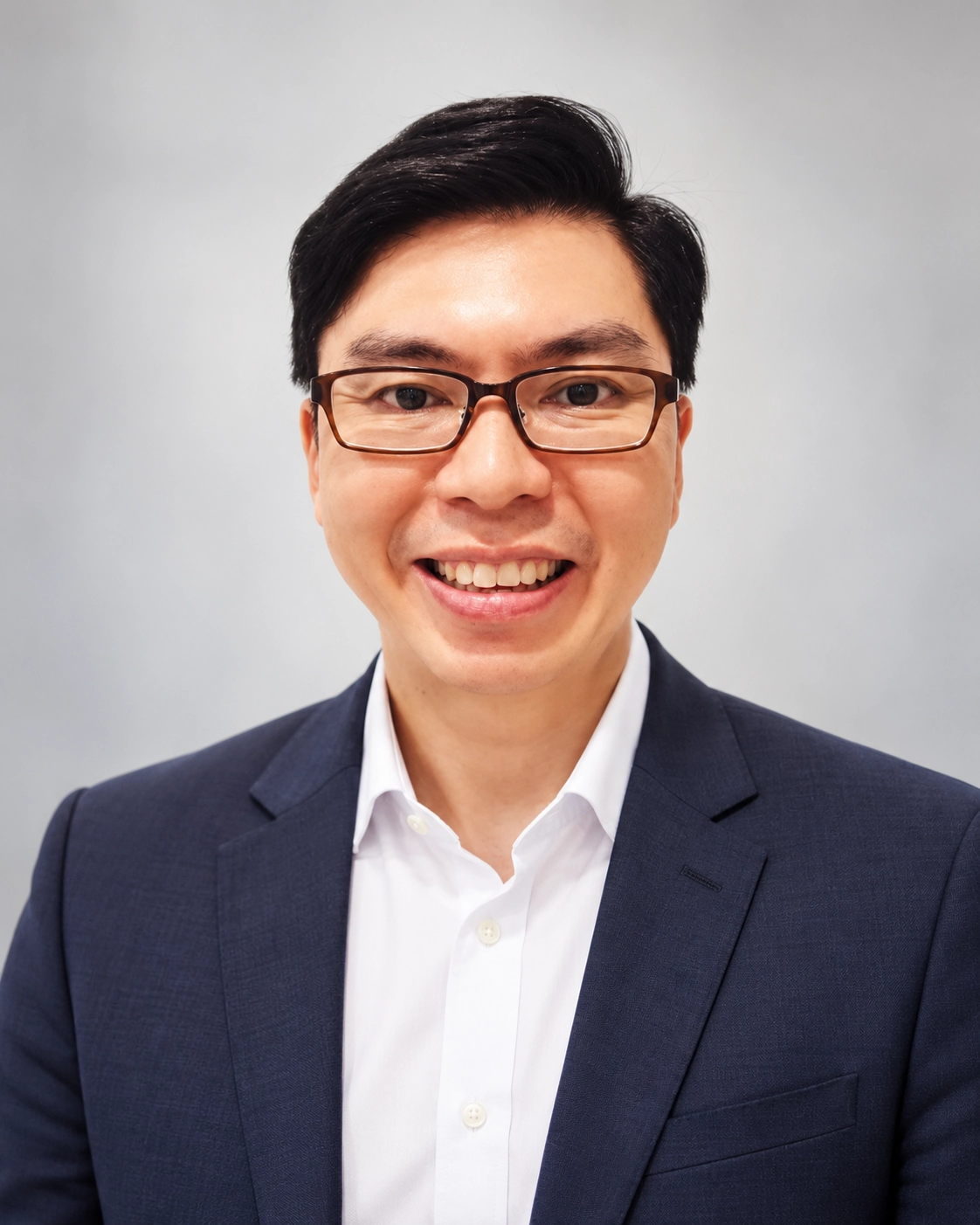
“Funding should support the direction in which the business wants to develop. For security companies, that can mean maintaining the liquidity needed for today’s payroll while also creating room to invest in technology, larger contracts and a more scalable operating model.”
Lau Choon Hong, Head of Sales Singapore & ASEAN
Working capital as a growth tool, not just a cash flow solution
Accounts Receivable Finance is sometimes viewed primarily as a response to cash flow pressure. But for growing businesses, it can also form part of a broader funding strategy. If financing capacity increases alongside eligible sales and receivables, a business may be able to align part of its available working capital more closely with commercial growth. That can be particularly relevant for security businesses moving through periods of change.
The objective is not simply to bridge a temporary gap. It is to create enough financial flexibility to make decisions based on commercial opportunity rather than solely on the timing of customer payments.
Preparing for the next generation of security services
Singapore’s security industry will continue to depend on skilled people.
But the companies positioned for future growth are also likely to make greater use of technology, data and more productive ways of delivering security outcomes. That evolution requires investment. For security providers, the ability to turn completed work and outstanding invoices into available working capital can therefore play an important role in supporting both day-to-day operations and longer-term transformation.
If your business is reviewing how to fund new contracts, manage customer payment cycles or create more capacity for future investment, speak to Lau Choon Hong and the Bibby Financial Services Singapore team.
Turn unpaid invoices into opportunities for growth
Security Industry Financing: Frequently Asked Questions
From rising payroll costs to technology investments and new contracts, security companies face unique financial challenges. Here are answers to common questions about managing working capital and financing growth in Singapore.